
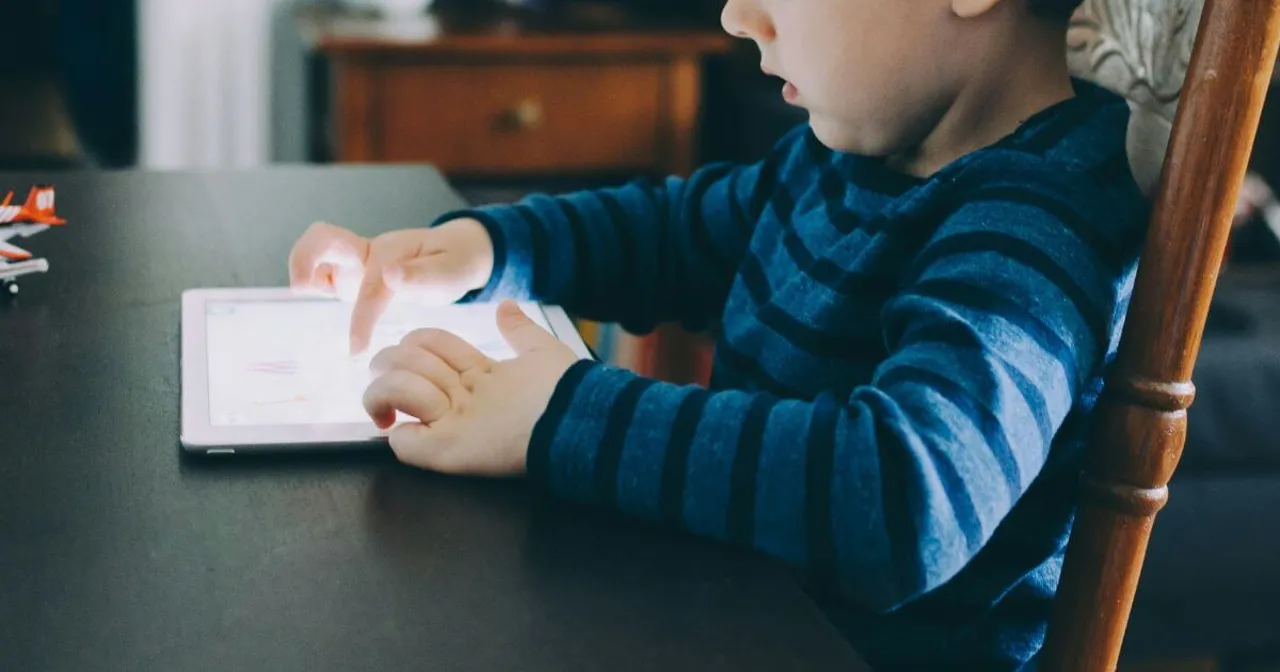
There's no shortage of opinions on screen time - pediatricians, parents, friends, that one relative at a family party - everyone has a take. And the truth is, every kid is different. But here's what the research actually shows.
What the Research Shows
In February 2026, the American Academy of Pediatrics (AAP) published a major new policy statement, Digital Ecosystems, Children, and Adolescents. It's a significant shift from the AAP's older approach: instead of framing guidance around strict "screen time" hour limits, it looks at the whole digital ecosystem a child is embedded in- the content itself, how platforms are designed to maximize engagement, and the family context media use happens in. A few key points from the statement and the research it draws on:
- Tablet use can lead to more anger outbursts. More tablet time at age 3.5 was linked to more expressions of anger and frustration a year later - with kids who struggled more with anger also tending to use tablets more afterward, suggesting a two-way cycle. Researchers specifically cautioned against using screens as a "digital pacifier."
- Not all screen time is equal. The AAP's new statement reinforces that content quality and platform design matter as much as duration. High-quality, educational content is linked to better language skills and more prosocial behavior, and the AAP recommends co-viewing with a caregiver so an adult can help connect what's on screen to real life - rather than handing over a device solo.
- Heavy, poorly-designed screen exposure carries real downstream risks. The AAP's statement flags that many platforms are engineered to keep kids engaged as long as possible, which can disrupt sleep, learning, mood, and physical health. Broader research has also tied heavy screen exposure to language delays and behavioral difficulties, and cyberbullying remains a well-documented risk as kids move into social media in their teen years.
Big 3 Takeaways
- No screens before age 1. Avoid screen media (aside from video chatting) for infants under 18 months.
- Don't use screens to stop a meltdown or tantrum. It works in the moment, but it can get in the way of kids building their own emotional regulation skills over time.
- Screens should never get in the way of sleep or physical activity. Those two things are non-negotiable, and screen time has to fit around them- not the other way around.
Let's Be Real, Though
There will absolutely be days when your kid gets more screen time than the "ideal." If you're trying to get something done, if you're pregnant or in the thick of postpartum survival mode, or if you just need a break - that's real life, and we've all been there. One heavy screen day isn't going to undo everything else you're doing right.
The Bigger Goal
At the end of the day, the goal isn't perfection. It's raising our kids the way a lot of us grew up: prioritizing outdoor play until the sun goes down, and having meals together as a family without the TV on in the background. Small, consistent habits like that do more for a kid's development than any one rule about screens ever will.